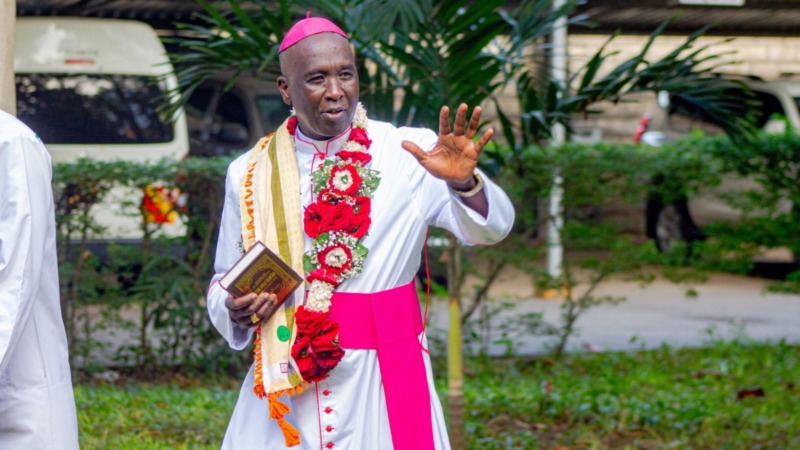
Coadjutor Archbishop Dominic Kimengich has received a copy of the Holy Quran from Muslim clerics in Mombasa in a symbolic gesture aimed at strengthening understanding and cooperation between Christians and Muslims.
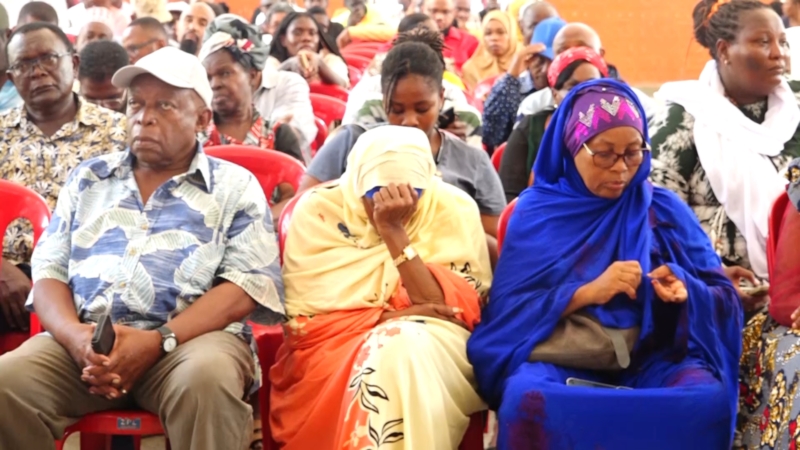
The presentation was made during a welcome ceremony for Archbishop Kimengich at St Joseph’s Parish in Tudor, attended by Muslim and Christian religious leaders.
Archbishop Kimengich said the gesture would provide him with an opportunity to revisit the teachings of Islam and gain a deeper understanding of the faith as he begins his service in Mombasa.
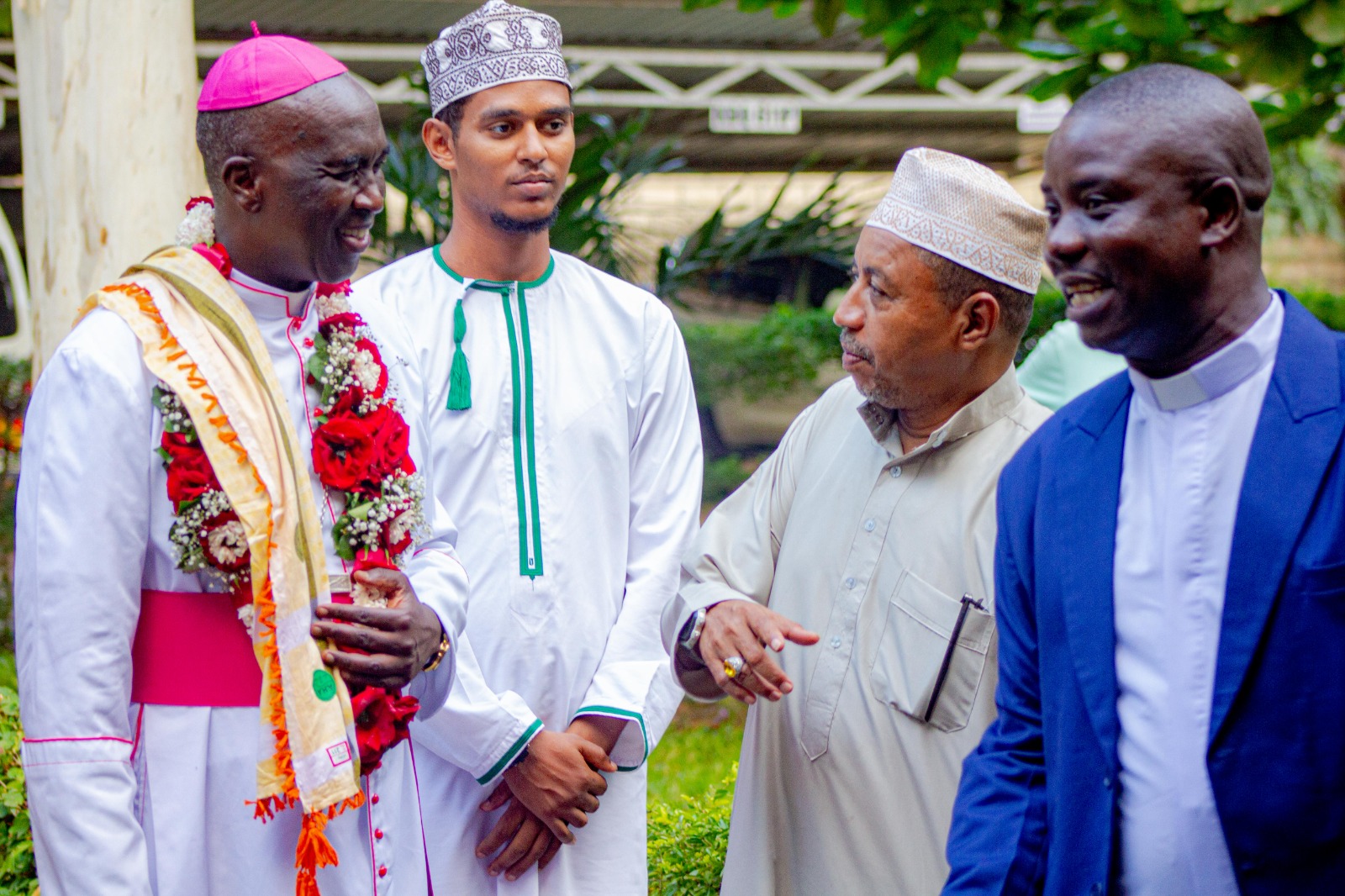
“We read the Qur'an in the seminary, I will again read it so that we understand one another. We know it is all about peace because even the Quran talks about peace. The Bible talks about peace,” he said.
Archbishop Kimengich said stronger understanding between people of different faiths was essential in preventing conflict, urging religious leaders to embrace dialogue whenever differences emerge.
He praised the Coast Interfaith Council of Clerics for joining Catholic faithful in welcoming him, describing their presence as a gesture of friendship and togetherness.
He also acknowledged the work of outgoing Mombasa Archbishop Martin Kivuva in bringing Christian and Muslim leaders together.
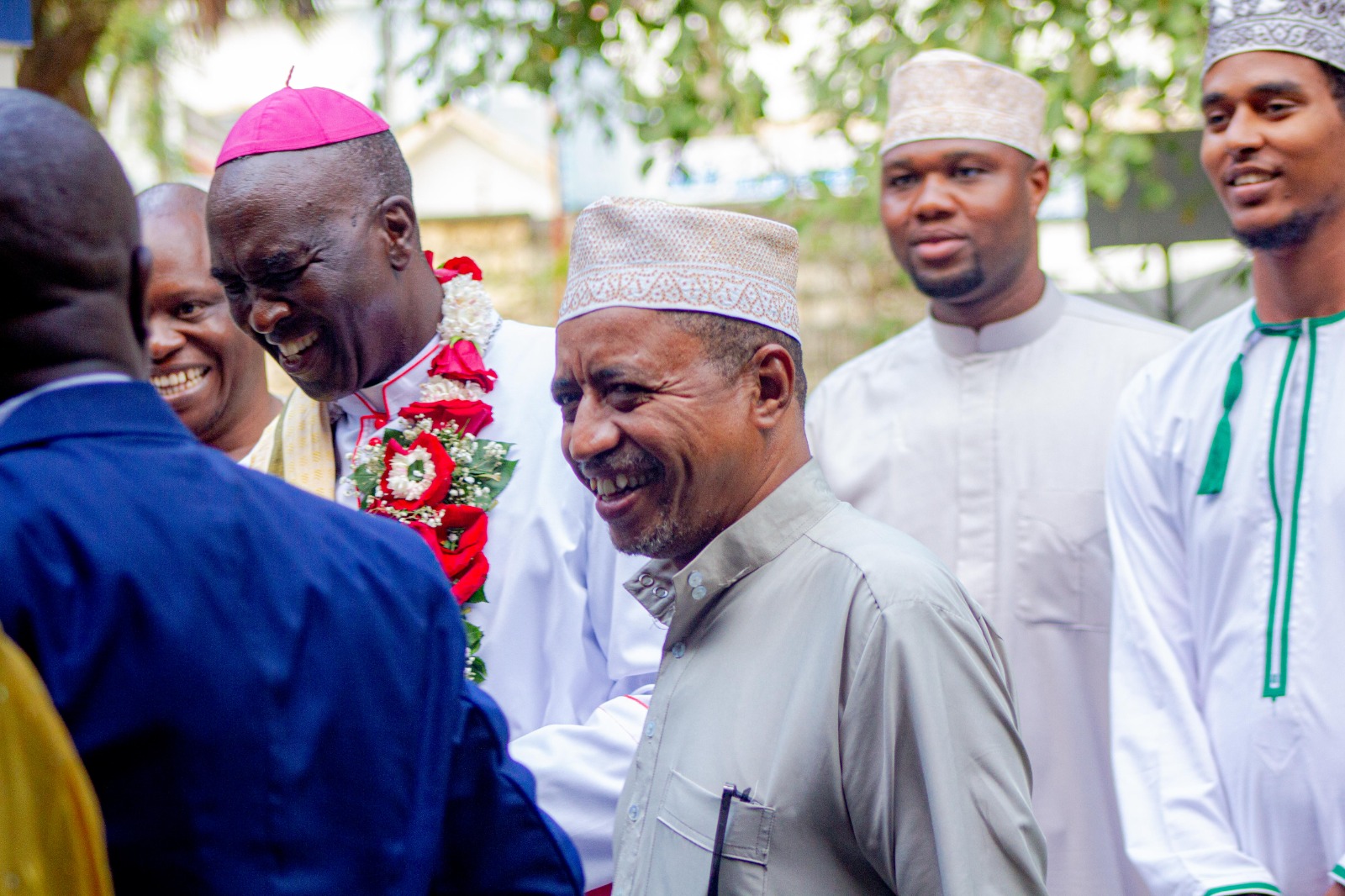
The new Archbishop said the model of interfaith engagement should extend beyond Mombasa and the Coast region to the rest of Kenya.
He argued that conflicts can be avoided when communities choose to sit down, engage in dialogue and seek consensus.
Speaking on behalf of Muslim clerics, Sheikh Mahmoud Abdillahi said the decision to welcome Archbishop Kimengich reflected the close relationship that exists between Muslims and Christians in the Coast region.
He said religious teachings provide a foundation for promoting peaceful coexistence and called for continued cooperation between the two communities.
According to Abdillahi, Kenyans share a common destiny regardless of their religious backgrounds.
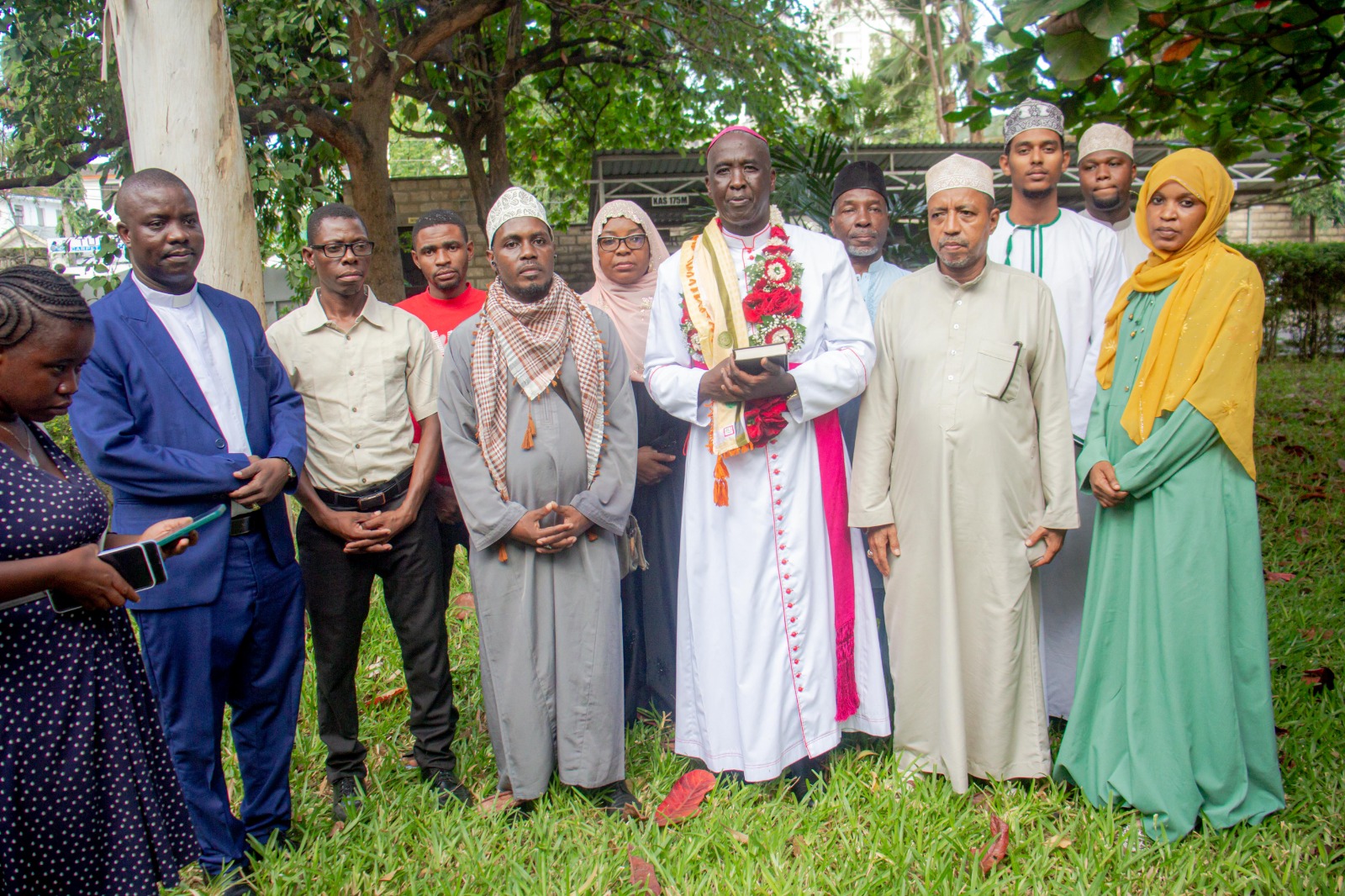
“If Kenya is destroyed, we are all destroyed, and if Kenya prospers, it prospers for all of us,” he said.
Meanwhile, Munira Faraj from the Women Desk of the Coast Interfaith Council of Clerics pledged continued cooperation with Archbishop Kimengich on issues affecting women and children.
Faraj said women and children are particularly vulnerable whenever conflict occurs and therefore have a strong interest in maintaining peaceful communities.
She said the women’s desk was ready to continue the partnership it had established with Archbishop Kivuva.
The welcome comes as religious leaders continue to emphasise the importance of interfaith cooperation in maintaining peace and social cohesion in the Coast region.